 Girilang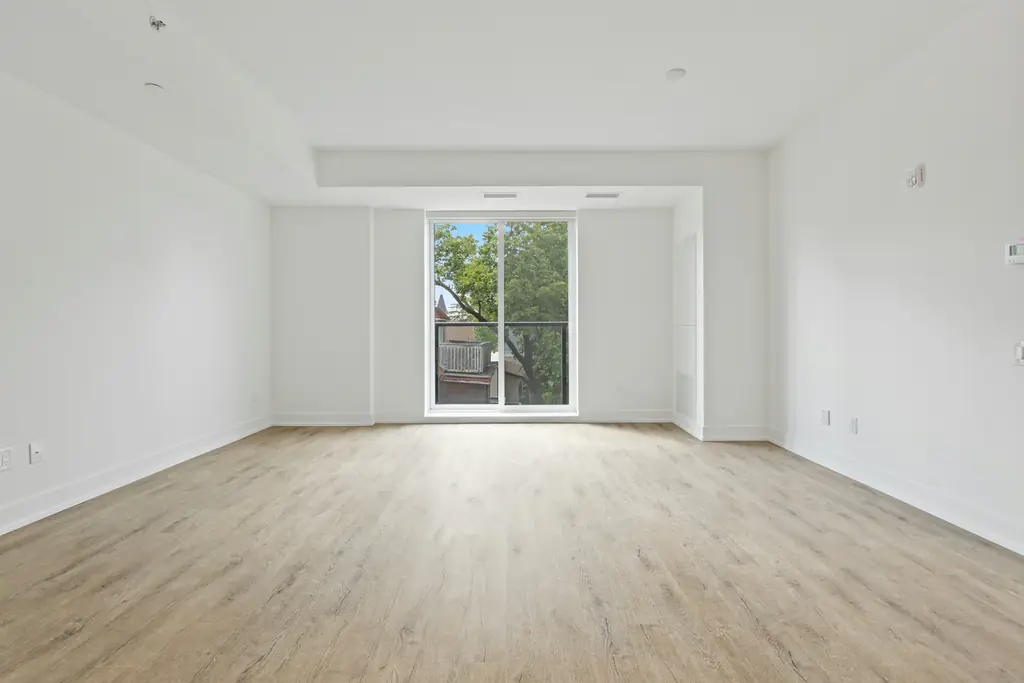
Inspections · 6 min read
Inspections · NSW
Most inspections check whether the house is tidy. The useful ones check four specific things, and tidiness is not one of them.
3 June 2026 · 6 min read
Photo by Kelly Sikkema
A routine inspection is not a spot check on how somebody lives. It is a scheduled look at the condition of an asset you own and are responsible for maintaining. Landlords who forget that distinction tend to produce inspections that annoy good tenants and still miss the leaking flexi hose under the sink.
New South Wales limits routine inspections each year and requires written notice before entry, with a minimum number of days set by the Act rather than by agreement. The rules can change, so confirm the current figures with NSW Fair Trading before you set a schedule rather than trusting a blog, including this one.
Walk the property with a fixed list, in the same order every time. Almost everything that matters falls into one of four categories.
Notice what is absent from that list. Whether the dishes are done, whether the beds are made, whether the decor is to your taste. None of it is your business, none of it is evidence of anything, and raising it converts a routine visit into a relationship problem you will pay for at renewal.
The cheapest repair in property is the one you photographed six months before it became a claim.
The value of inspection photos comes almost entirely from comparison, and comparison requires consistency. Stand in the same corner of each room, frame the same view, and the sequence becomes a time-lapse of the property. Deterioration that is invisible between two visits is obvious across six.
Keep the photos attached to the inspection, and the inspection attached to the property. A folder of images with no date and no room is a folder you will never open again.
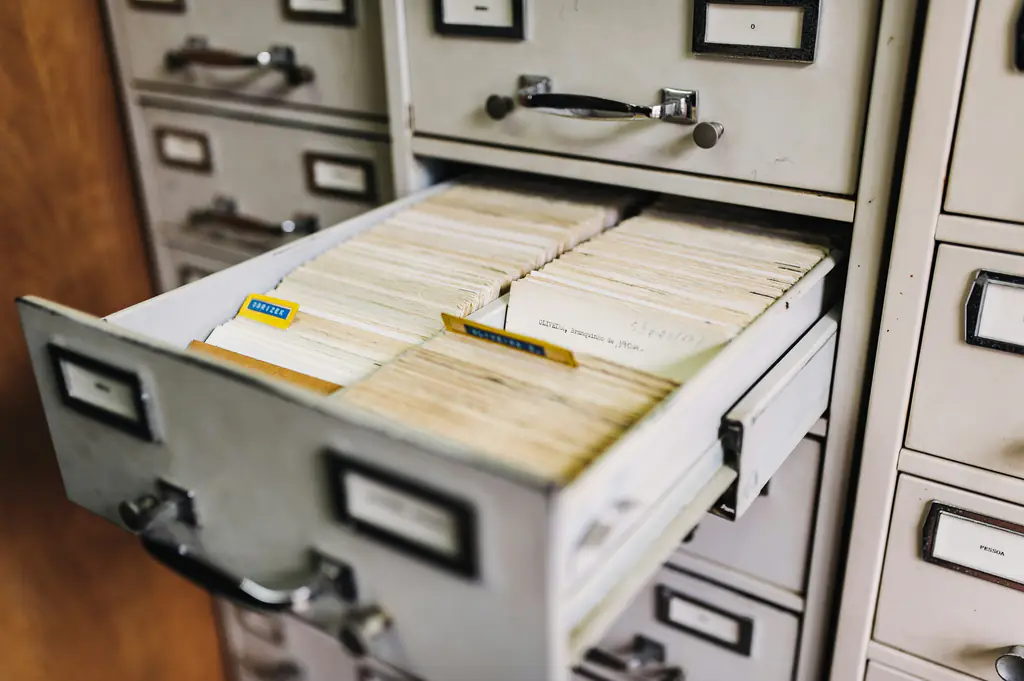
Leases, condition reports, inspection photos and notices, all filed against the property and the tenancy they belong to.